How fleets change what they expect from workshops.
A fleet customer does not look at a workshop the way a private customer does. For a company a car is a work tool, a cost and an operational risk, so it expects more from a workshop than a good repair: predictability.
The car as a work tool
For a company a car is not just a means of transport. It is a work tool, a cost, an operational risk and part of how it serves its own customers. That is why fleets are changing what they expect from workshops: a good repair is no longer enough, predictability is needed.
A good repair is no longer enough. Predictability is needed.
Questions a fleet wants answered
The person responsible for the fleet wants to know:
- Where the vehicle is
- What is damaged
- How much the repair will cost
- When the car will be back at work
- Whether a replacement car is needed
- Whether the cost is justified
- How to avoid a similar failure in future
Data, diagnostics and claims are converging
At the fair it was clear that vehicle data, diagnostics, claims handling and fleet management are more and more often becoming one process: from recognising the vehicle, through cost calculation, to judging what happens to the cars in use.
More than a single visit
Workshop software cannot be designed for a single visit only. A fleet process means many vehicles, many requests and different decision-makers. What is needed:
- Approval paths and limits
- Statuses visible to the ordering party
- Reports
- Vehicle history
- Repeatable standards
A repair that needs a specialist
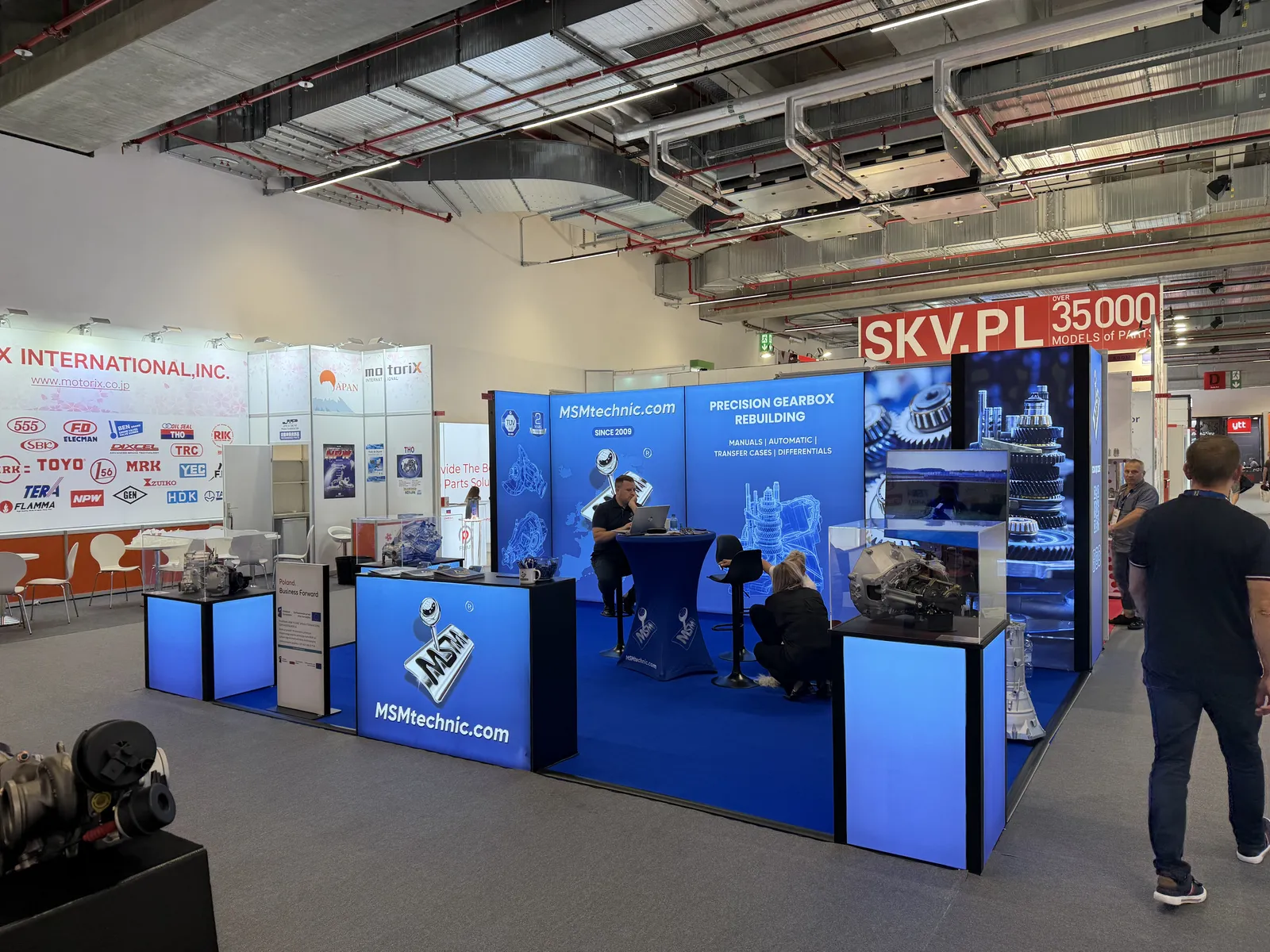
Not every workshop does every repair. Gearbox rebuilding or specialist diagnostics is sometimes done by a dedicated contractor. The fleet still expects one consistent picture of the case:
- One status
- One cost
- One report
eCarService, FleetPoint and RepairCore
In our model this is very practical. eCarService shows the physical side of a repair, and FleetPoint coordinates fleet and claims service. We are developing RepairCore Cloud as the layer that ties together data, statuses, decisions and reporting. A workshop without a system can repair a car well, but a workshop with a good process serves a corporate customer repeatably and measurably.
Fleets will choose the workshops that not only repair, but can also manage information.
Let’s look at it in your own workshop.
A short walkthrough against your processes: what can be joined up, what can be simplified, and what is better left alone.