Why workshop networks need a common standard.
A workshop network is not made by a few workshops sharing a name. A real network begins when a customer, a fleet or an ordering party gets a similar standard of service in every location.
A standard is more than a logo
That standard has to cover more than a logo and a phone number. It needs common rules for:
- Vehicle intake
- Diagnostics
- Documentation
- Cost approval
- Repair statuses
- Customer communication
- Reporting
What Frankfurt showed
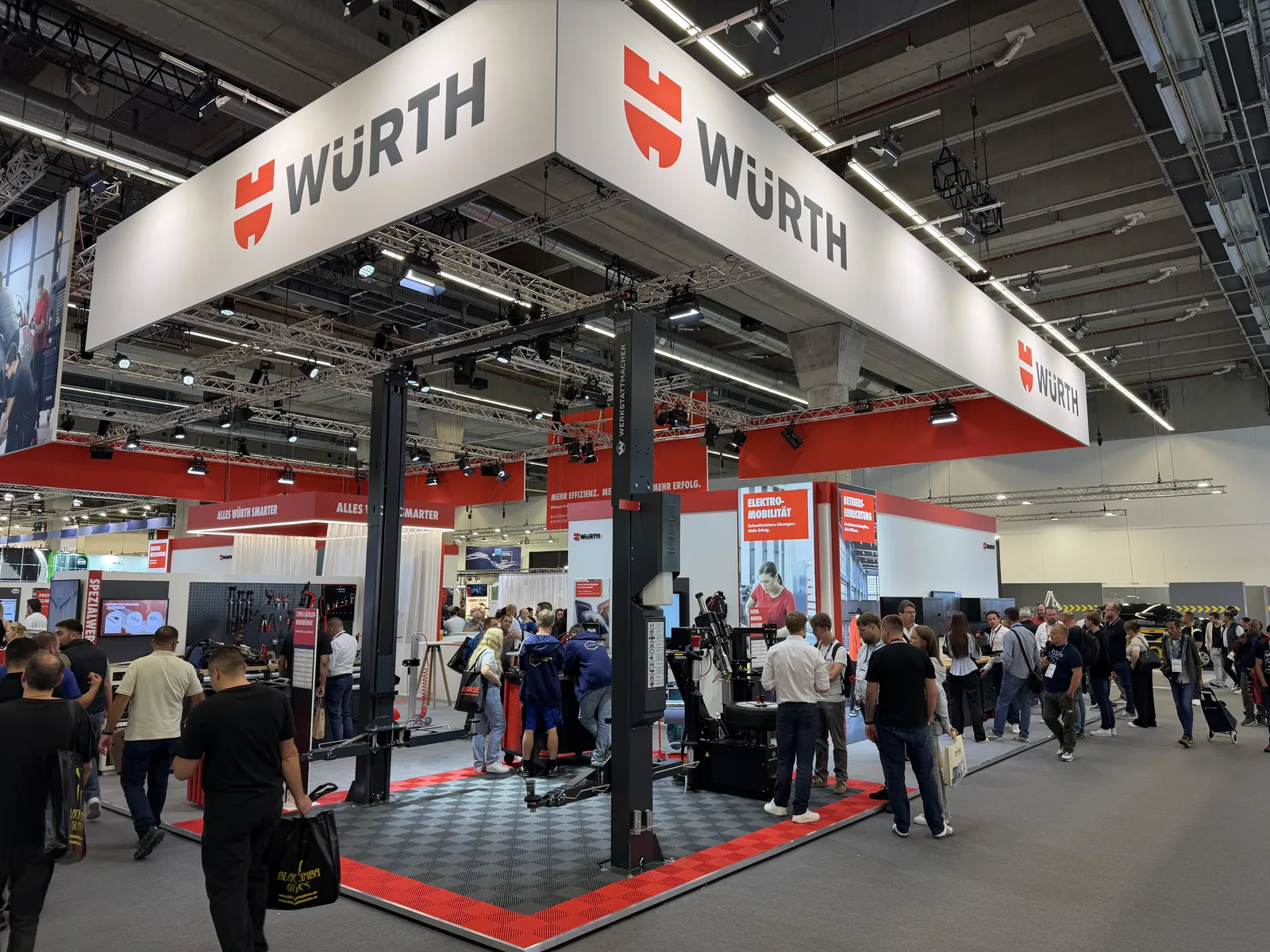
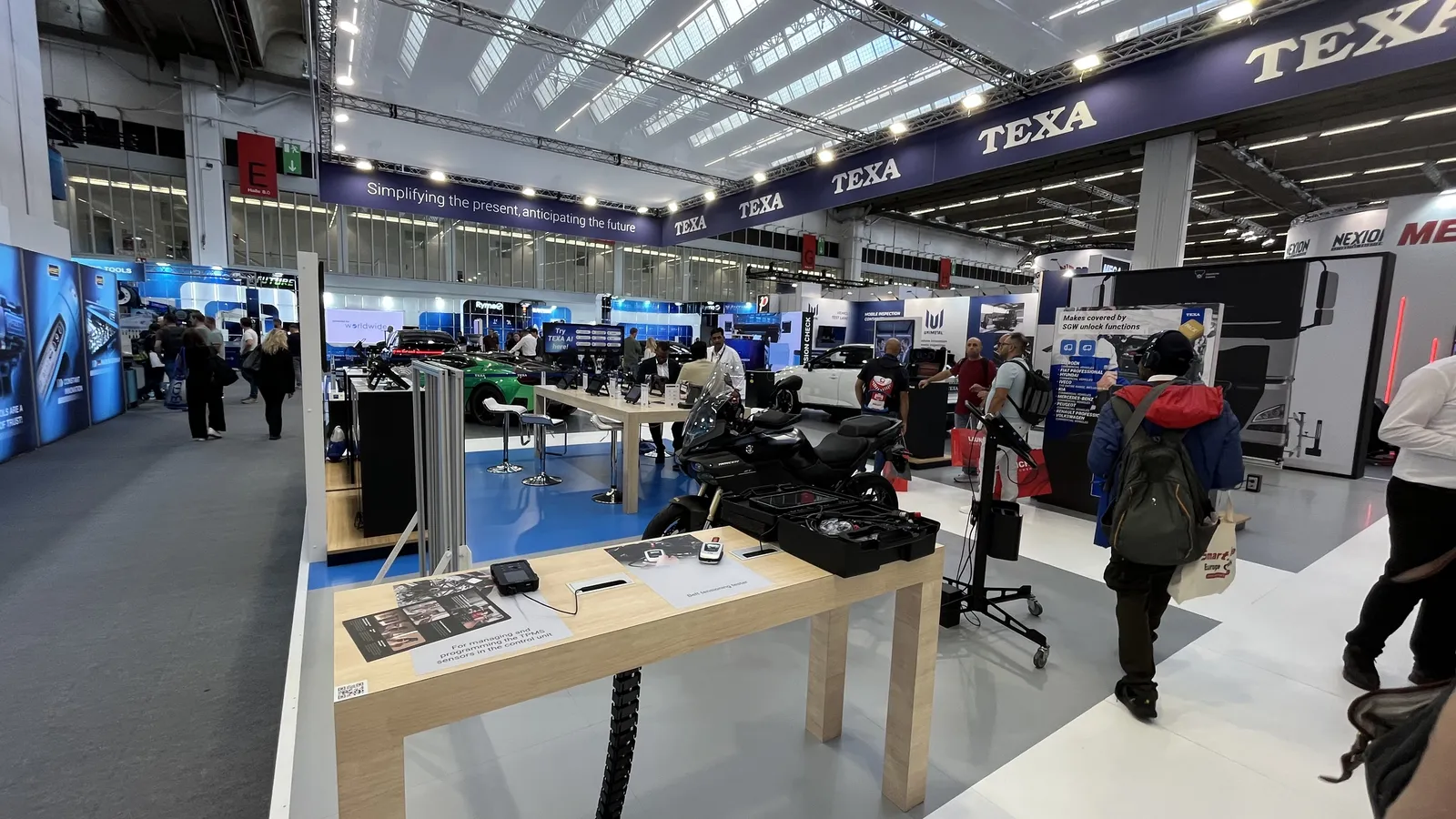
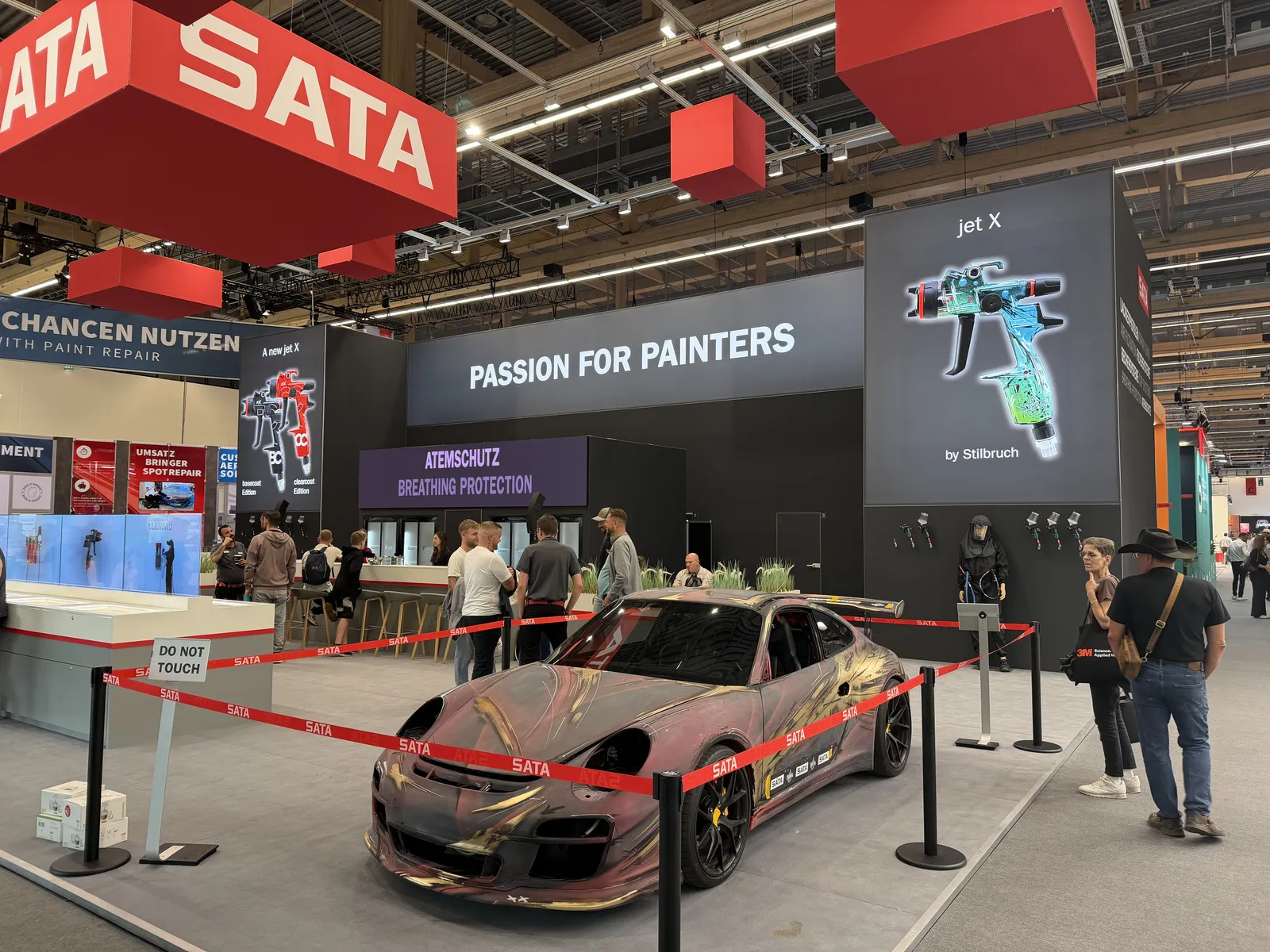
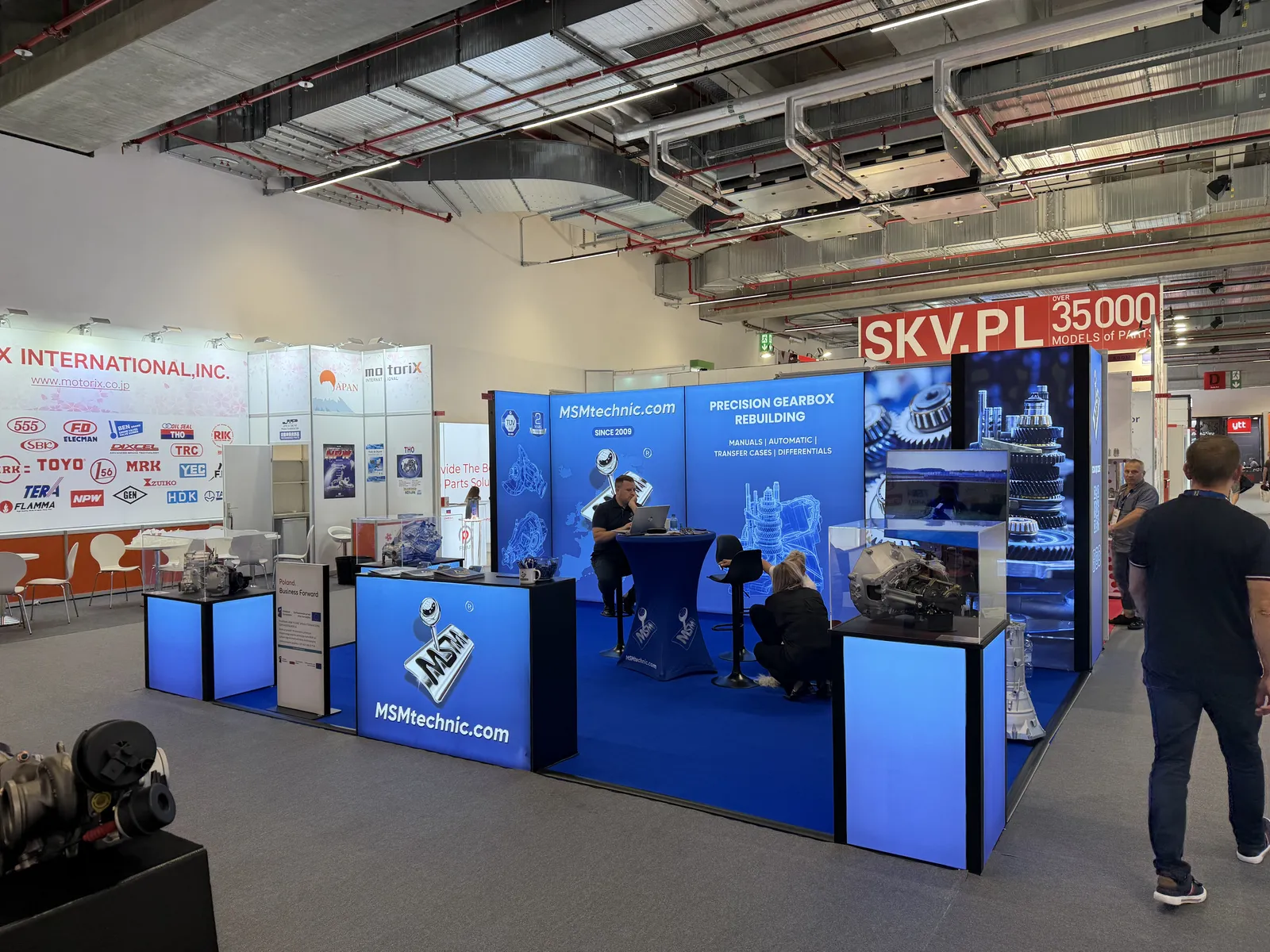
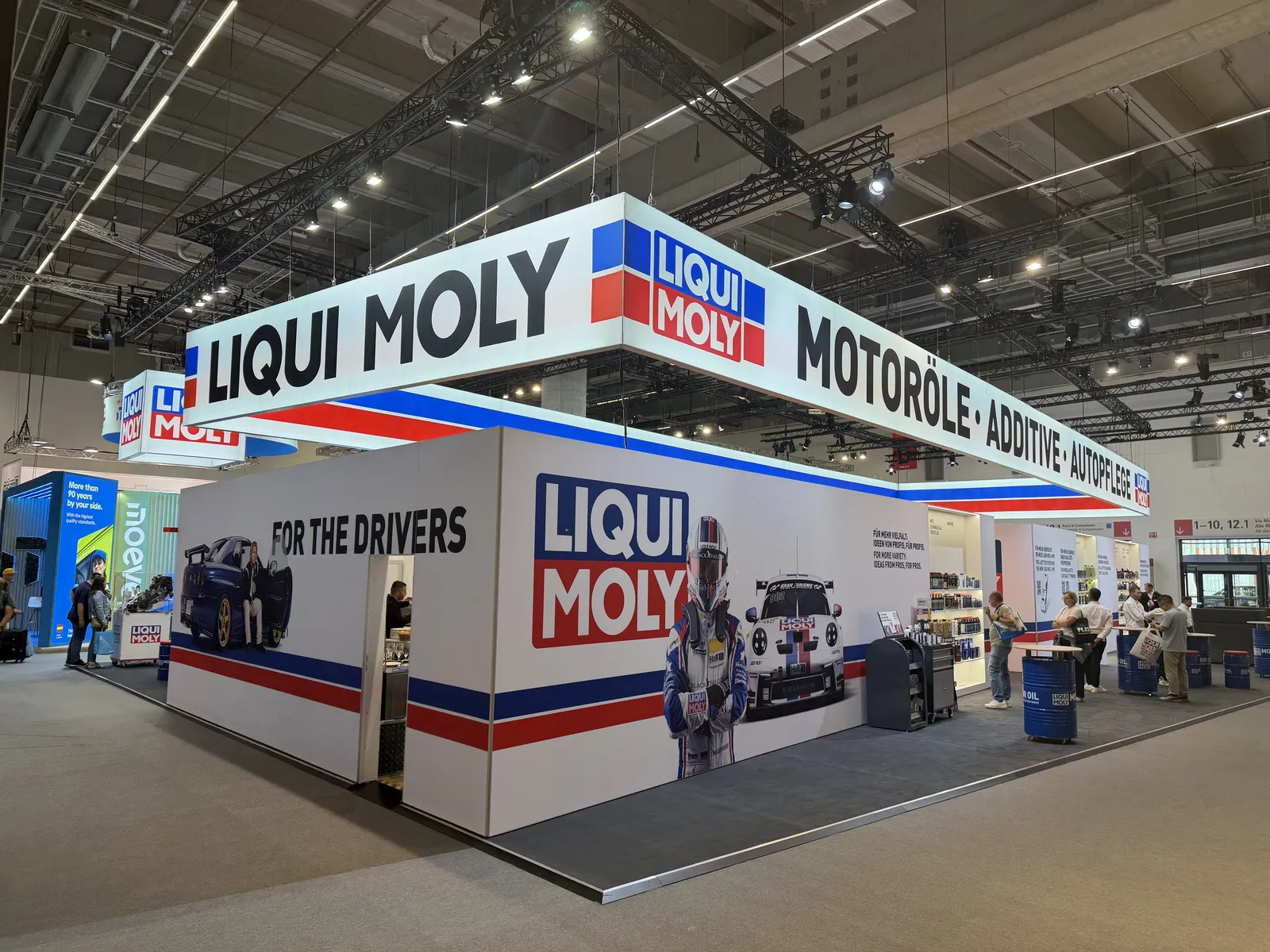
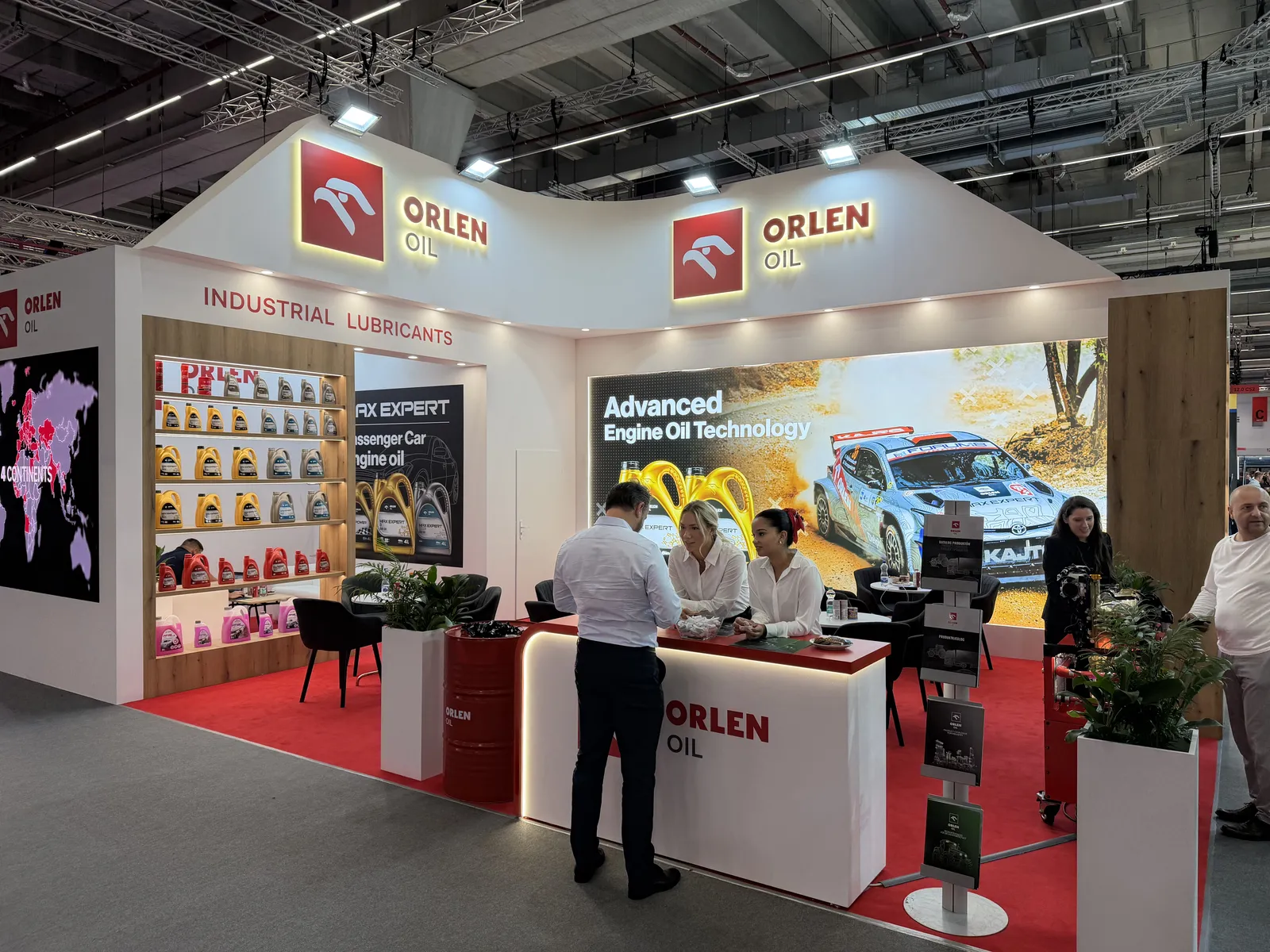
Automechanika Frankfurt 2026 showed the aftermarket as a set of very different areas that, for the end customer, add up to one case: the car has to be received, diagnosed, repaired and billed correctly. On the halls you could see:
- Parts and components
- Diagnostics and workshop equipment
- Paint
- Wheels and tyres
- Oils and consumables
- Specialist repairs, e.g. gearboxes
The problem is repeatability
For a workshop network the problem is not the number of locations itself. If every site describes the work order differently, documents photos differently, communicates status differently, calculates cost differently and hands information to the customer differently, head office has no control over quality.
A network begins where the customer gets the same standard in every location.
Different skills, one process
A common standard does not mean identical workshops. One site has ADAS, another a paint shop, another gearboxes, another electric vehicles or fleet service, and yet another specialist equipment. The process stays common:
- Request
- Vehicle and VIN
- Symptom and qualification
- Work order
- Parts
- Approval
- Status
- Documentation
- Billing and report
A common operating layer
We are developing RepairCore Cloud as a common operating layer for such a network. Every workshop keeps its own specialisation, people, location and pace of work, while head office and B2B customers see the same picture of the case.
A standard does not take away independence
This matters most in fleet, claims and commercial-vehicle service. There the customer does not only ask whether the car was repaired. They ask how long the downtime was, who approved the cost, which parts were used, whether the vehicle can go back to work, and whether a similar problem may occur in other cars.
A common standard does not take a workshop's independence away. It gives it a tool to work more professionally.
Let’s look at it in your own workshop.
A short walkthrough against your processes: what can be joined up, what can be simplified, and what is better left alone.