Automechanika Frankfurt 2026.
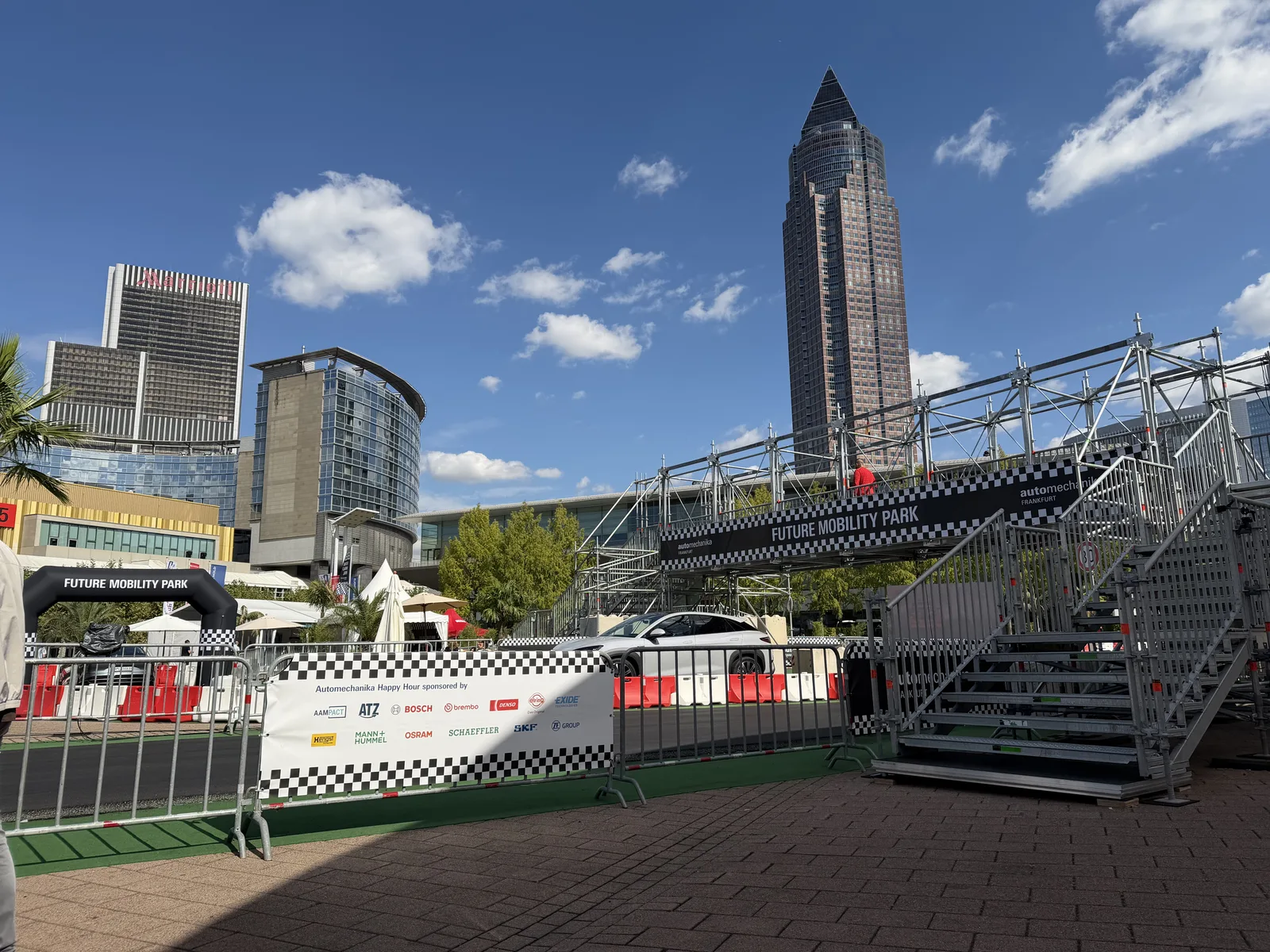
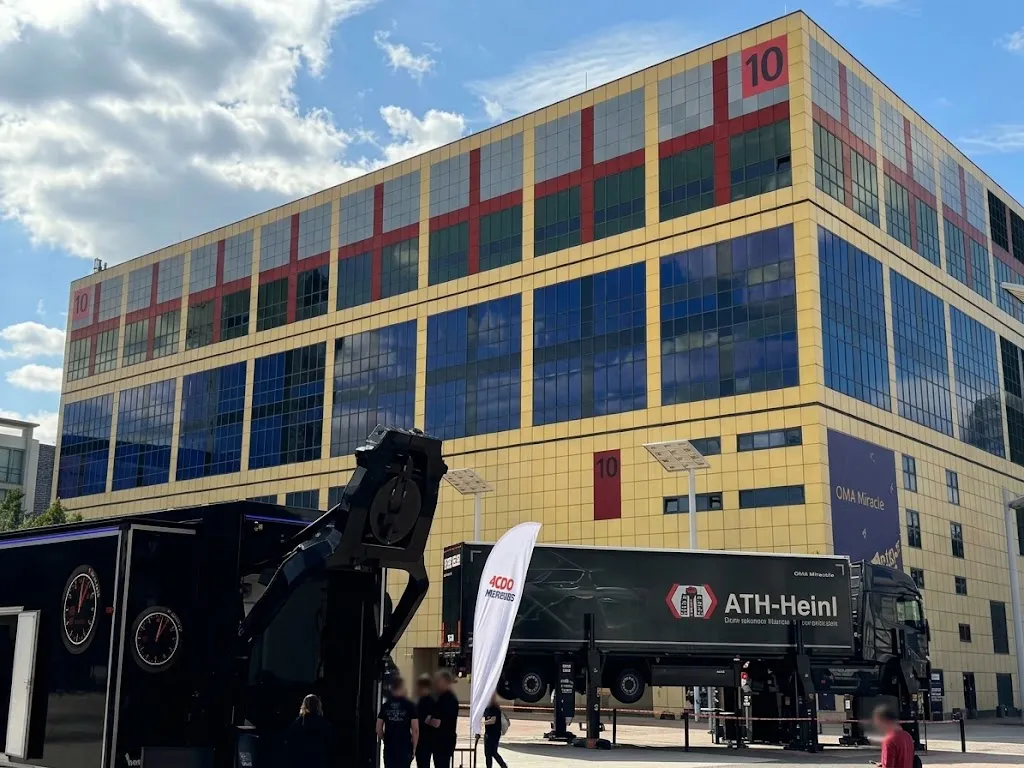
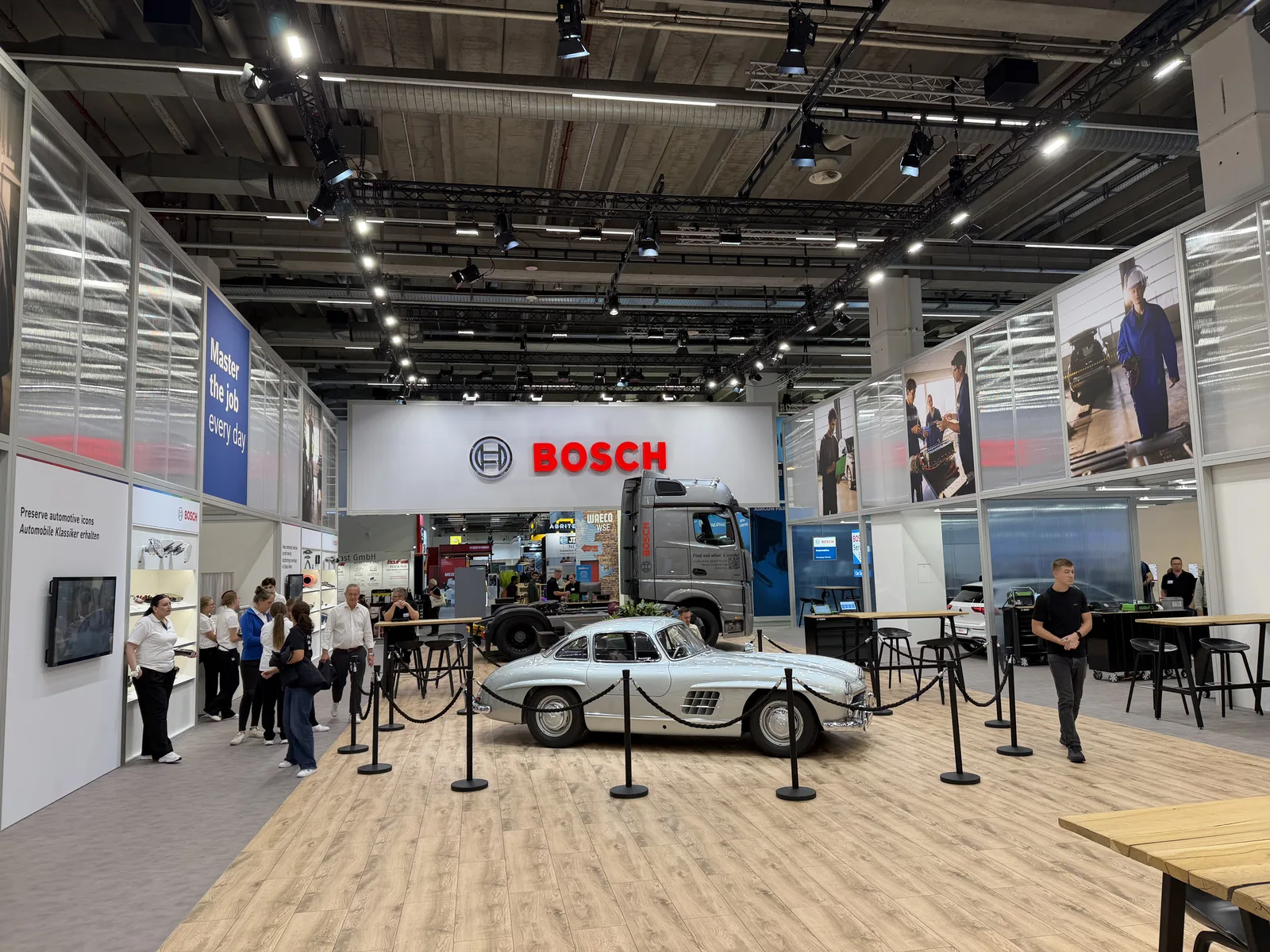
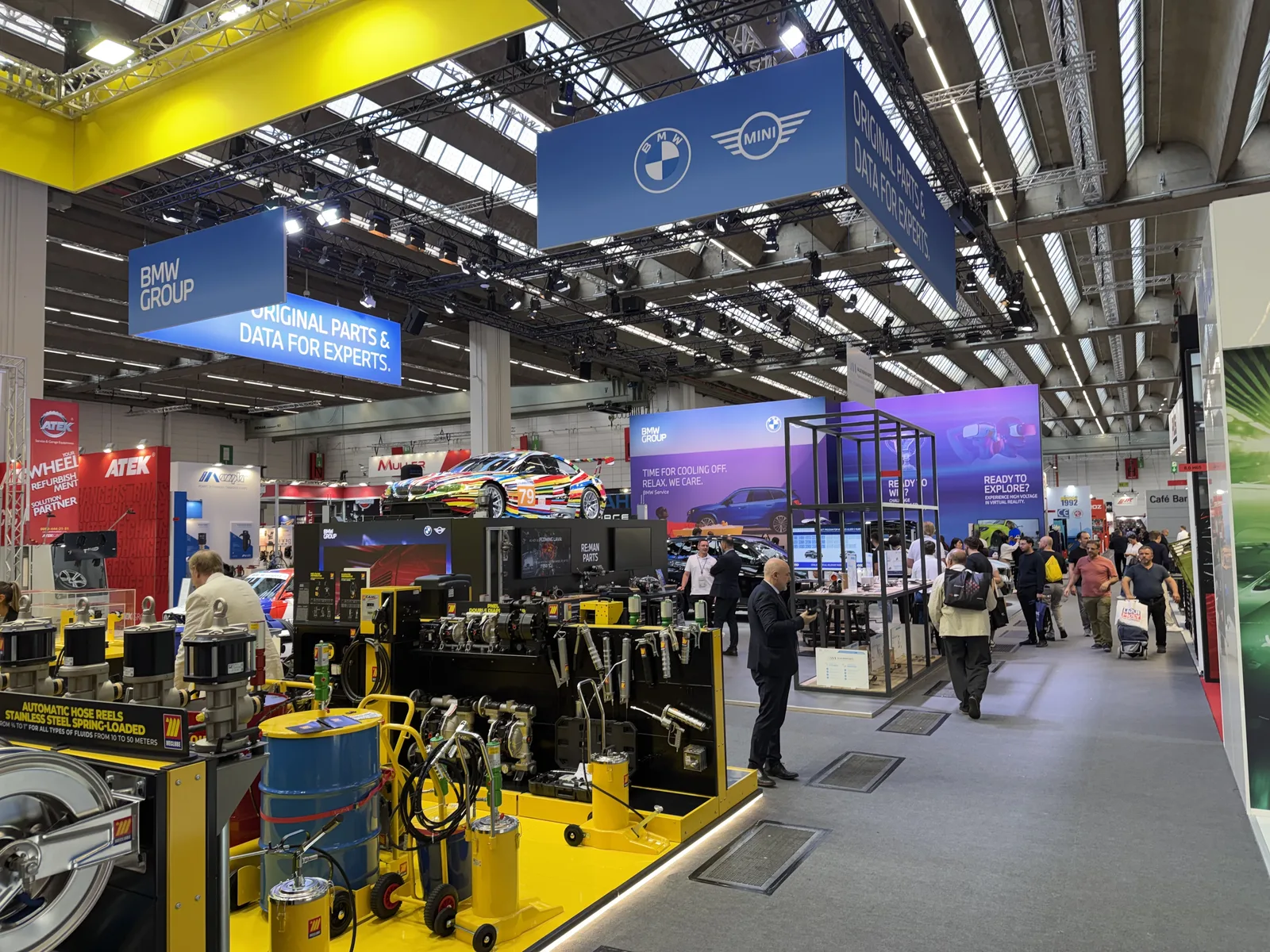
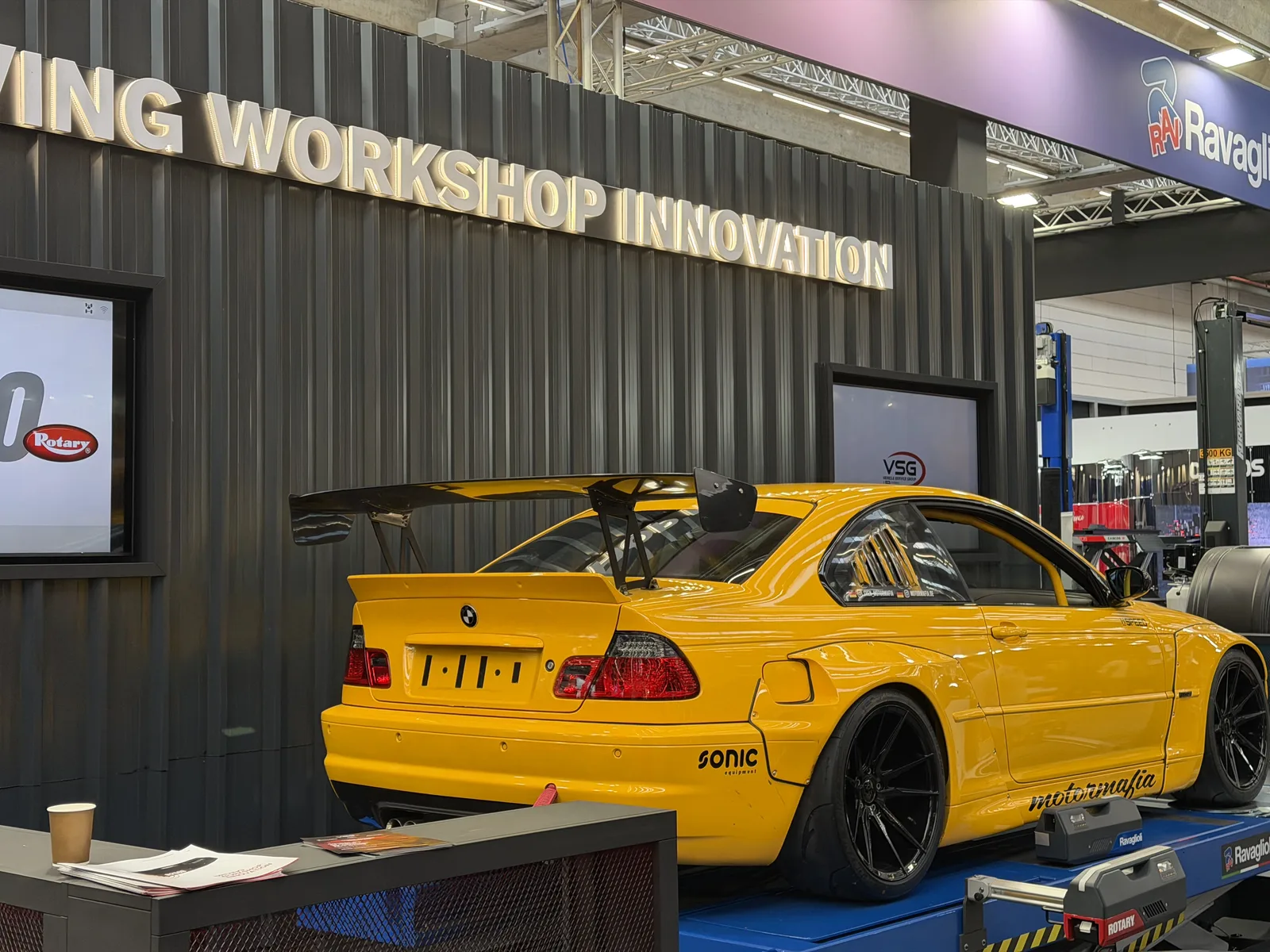
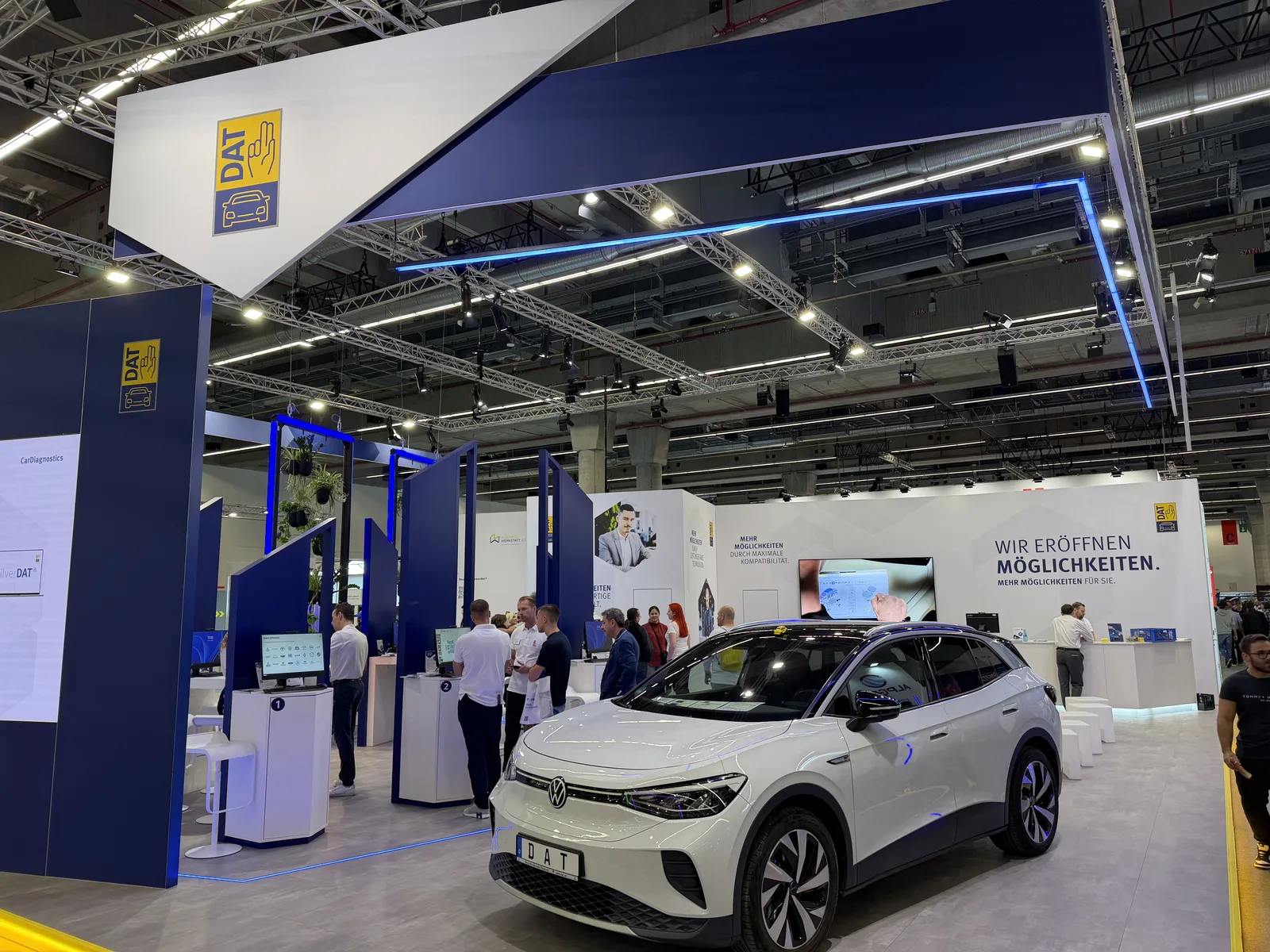
In September 2026 the RepairCore Cloud team conducted market research at Automechanika Frankfurt. In discussions with providers of technical data, diagnostics, workshop equipment and aftermarket platforms, we analysed how technology unites into one operational workflow around the vehicle.
From single apps to connected ecosystems
The aftermarket is clearly moving from isolated products to integrated ecosystems. Industry leaders such as MAHLE demonstrate this by connecting parts, diagnostics, workshop equipment, technical data and service models. Workshop equipment is becoming a primary data generator, and that data needs a home in daily operations. The system must recognise that a diagnostic session was performed on a specific vehicle, under a specific Repair Order, by a specific technician — triggering repair procedures, parts lookup or routing.
The workshop of the future will not run on separate data islands.
Technical data where decisions are made
Another key signal from Frankfurt was the deep integration of technical information into service operations — from environments like BMW Aftersales Online System (AOS) connecting vehicle identification, repair data and parts, to DAT solutions combining vehicle data, telematics, AI and fleet claims. In a modern workshop, accessing data via a separate external portal is no longer enough; it must be delivered contextually inside the Repair Order without pulling the technician out of their workflow.
Technical data must appear contextually inside the work order, not in a separate portal.
Diagnostics as part of operations, not a separate world
Frankfurt also confirmed that diagnostic devices and workshop operating systems are converging. What matters is not merely reading DTC fault codes, but maintaining the full operational chain from diagnosis to evidence:
- Vehicle → Diagnostic Session → DTC & Live Data → Technical Context → Repair Decision → Action & Evidence
Reading a DTC code creates true value when it becomes an auditable part of the repair order.
Fleet service begins before arrival at the workshop
Connected vehicle technology, telematics and remote diagnostics disrupt the reactive cycle of waiting for a vehicle to show up unannounced. For fleets, the greatest operational savings occur before the physical visit: a fault is flagged remotely, qualified, appropriate workshop capacity and parts are reserved, and downtime is minimised:
- Telematics Signal → Need Qualification → Capability-based Workshop Selection → Booking & Parts → In-shop Repair
The greatest operational saving for a fleet occurs before the vehicle enters the service bay.
Coordinating specialisations rather than centralisation
The rising complexity of vehicles — EVs, ADAS calibration, high-voltage diagnostics — means that not every location can justify every specialised tool. We build RepairCore around PartnerCapability: the platform understands the distinct tooling and certifications of each partner in the network and routes orders accordingly. This preserves workshop autonomy while orchestrating their combined strengths.
Not every workshop needs to do everything. The key is coordinating specialisations.
Product principles confirmed in Frankfurt
Our findings in Frankfurt validated five core principles of RepairCore architecture:
- Vehicle and Repair Order as the shared anchor context for all integrations
- Technical data embedded directly within the active workflow
- Diagnostics and workshop equipment generating auditable operational events
- Technology-neutral architecture toward third-party data providers
- Work order routing governed by verified partner capabilities
Read also
- Automotive Parts Expo 2026.
- From eCarService to FleetPoint and RepairCore — one vehicle service process.
- What modern workshops expect from a digital system today.
- VIN, technical data, diagnostics and parts — one process.
- What does a fleet really need from a service network?
- A workshop network needs a common standard — not identical workshops.
Let’s look at it in your own workshop.
A short walkthrough against your processes: what can be joined up, what can be simplified, and what is better left alone.