Technical data, VIN and parts as the foundation of a modern workshop.
In a modern workshop every good decision starts with identifying the vehicle correctly. Make and model are not enough - the same model can come with different engines, gearboxes, emission standards and ADAS systems.
Make and model are not enough
One model exists in many versions, and each has different consequences for a repair. That is why VIN, technical data and parts are not an add-on to workshop software but the foundation of the process. Versions of a single model differ in, among other things:
- Engines
- Gearboxes
- Emission standards
- Equipment
- ADAS systems
- Brake variants
- Service requirements
What Frankfurt showed
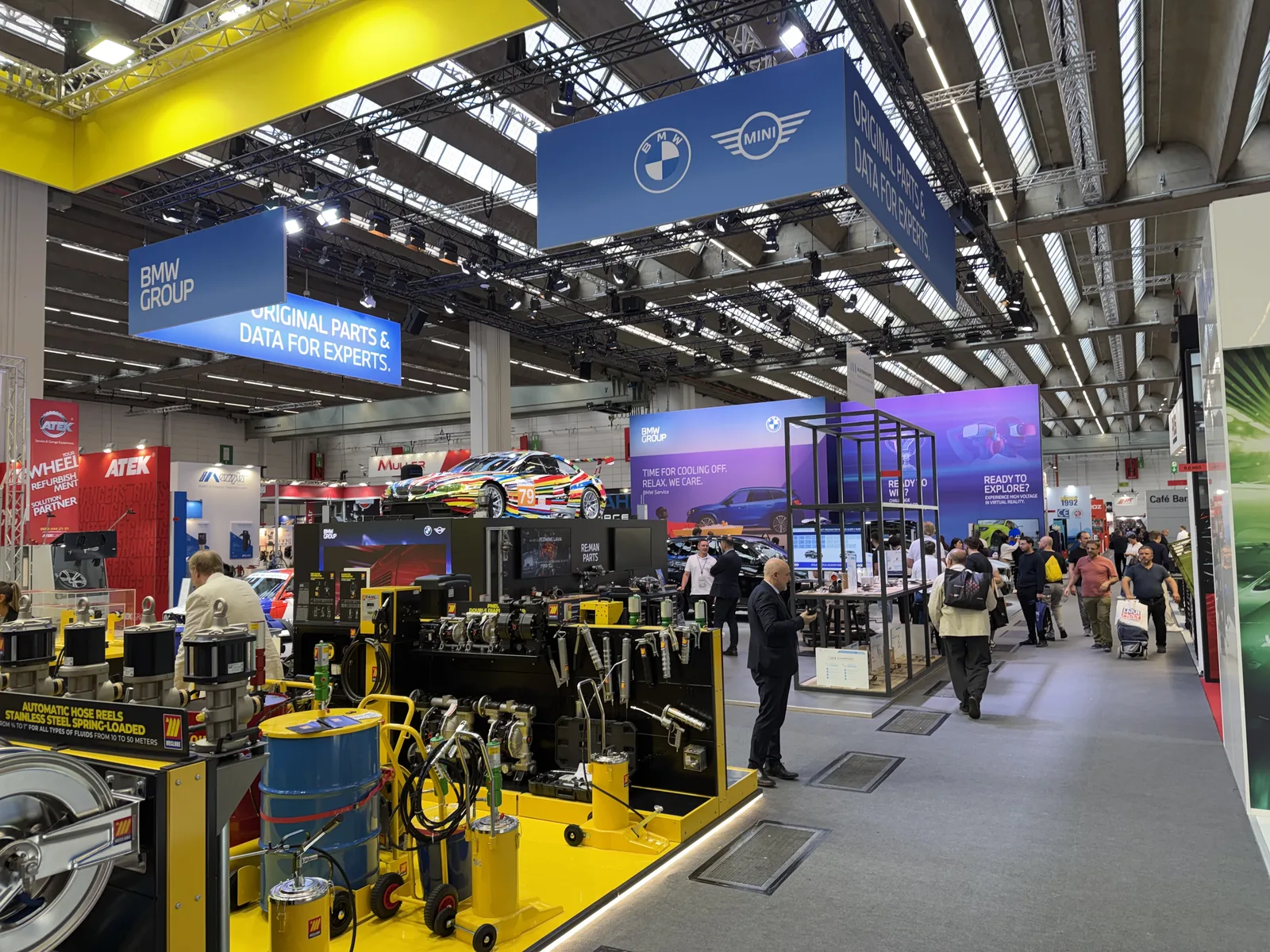
At Automechanika Frankfurt 2026 it was clear how much weight the market places on vehicle identification, repair data, parts catalogues and the integrations between them. Aftermarket solutions are built around one chain: recognising the vehicle, repair and maintenance data, and linking the vehicle to specific parts.
The risk of not recognising the vehicle
If the system does not understand the vehicle, the rest of the process carries risk:
- The wrong part
- The wrong scope of work
- An estimate that is too general
- A wrongly chosen service interval
- No information about the service procedure
- Incomplete repair documentation
The effect on customer service
Technical data has a direct effect on the quality of service. A service advisor first collects the VIN, symptoms, mileage, history and context of use. Only then can the workshop prepare a qualification, an estimate and a diagnostic plan.
A service advisor should not promise a repair before the vehicle has been identified.
Parts are repair time too
Parts distribution and logistical availability affect repair time today just as much as the mechanic's work. Catalogues let you search for parts by OE number, by VIN and by vehicle model, and the workshop expects the result to fit the specific car, not a "similar" one.
One process instead of separate islands
We are developing RepairCore Cloud to join these areas into one process: vehicle, data, parts, work order, approval and report. That way the workshop works on orderly information instead of assumptions.
A workshop should not work on assumptions but on orderly information.

Let’s look at it in your own workshop.
A short walkthrough against your processes: what can be joined up, what can be simplified, and what is better left alone.