What workshops expect from a digital service system.
A modern workshop does not need one more place to type in a customer name and a registration number. It needs a system that shortens service time, reduces chaos and helps people make better decisions.
Digitalisation is no longer an add-on
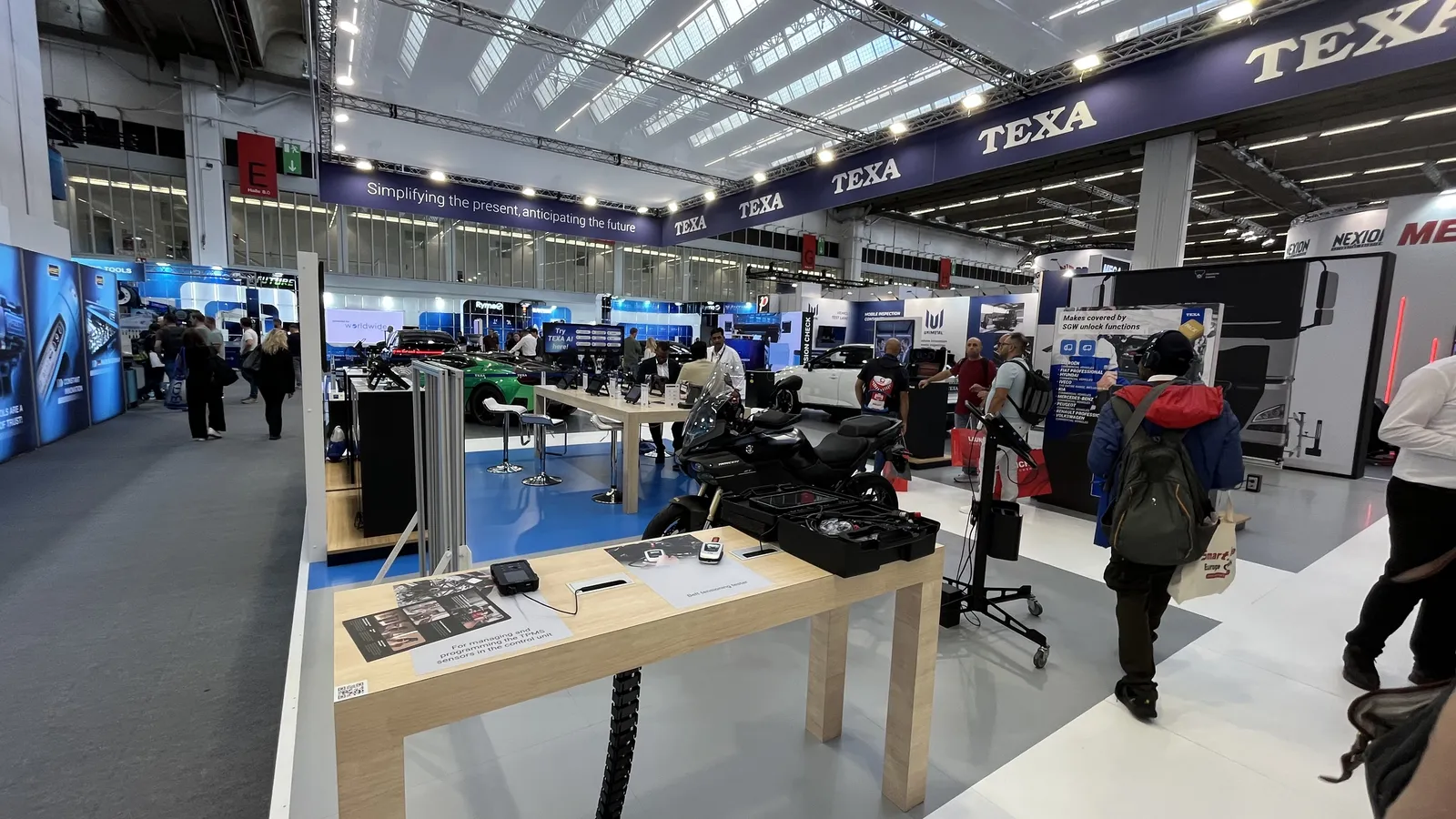
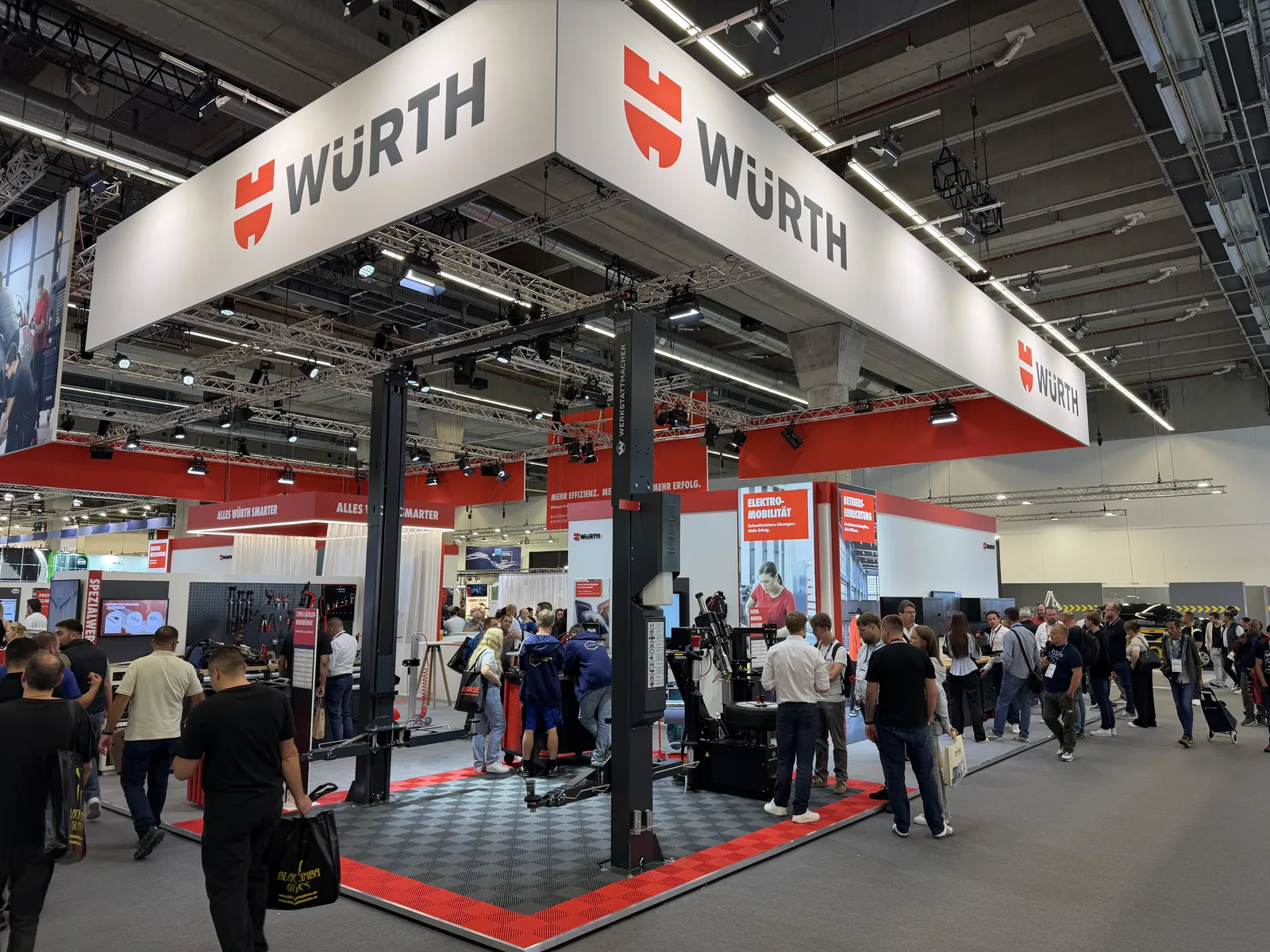
Automechanika Frankfurt 2026 made this clear: the event programme kept returning to software-defined vehicles, ADAS, cybersecurity, digital services and artificial intelligence. More and more workshop decisions will rest on data, integrations and an orderly process. From the workshop's point of view, though, what counts is not the buzzwords but concrete results in four places:
- The first contact with the customer
- Technical qualification
- Running the work order
- Reporting for the owner
From the first contact with the customer
The customer reports a symptom, sends a VIN, picks a service, describes the problem or books an appointment. The workshop should see at once what the case is about, without having to ask. Typical kinds of requests:
- Diagnostics
- Brakes
- Air conditioning
- Gearbox
- DPF and AdBlue
- Fleet vehicle
- Damage claim
- Pre-purchase inspection
Technical qualification
The system should help collect data on the vehicle, its history and earlier repairs. On today's cars a "check engine" note is not enough. Context matters:
- Make, engine and gearbox
- Equipment and ADAS systems
- Earlier repair history
- Fleet use
- Earlier damage
Running the work order
A workshop needs statuses, scope of work, customer approval, photos, notes, parts, labour hours and communication in one place. Without that, staff lose time on:
- Phone calls
- Paper slips
- Messaging apps
- Searching for information
Reporting for the owner
The workshop owner wants to know where work orders come from and where the process stalls:
- How many work orders come from bookings, from Google, from fleets and from referrals
- Which services are the most profitable
- Where delays arise
This is the direction we build RepairCore Cloud in
We are developing RepairCore Cloud in response to these expectations. It does not replace the mechanic and does not pretend an algorithm will repair a car. It brings order to the process, so that a good mechanic, an advisor and the workshop owner work on the same data.
A good mechanic, an advisor and the workshop owner should work on the same data.
Let’s look at it in your own workshop.
A short walkthrough against your processes: what can be joined up, what can be simplified, and what is better left alone.